Need rodent and wildlife removal in Mentor?
Seeing pests or hearing noises at home? Request a callback to check provider availability, or send a request and compare estimates with no obligation.
No obligationPest Control Help for Mentor and the Mentor area
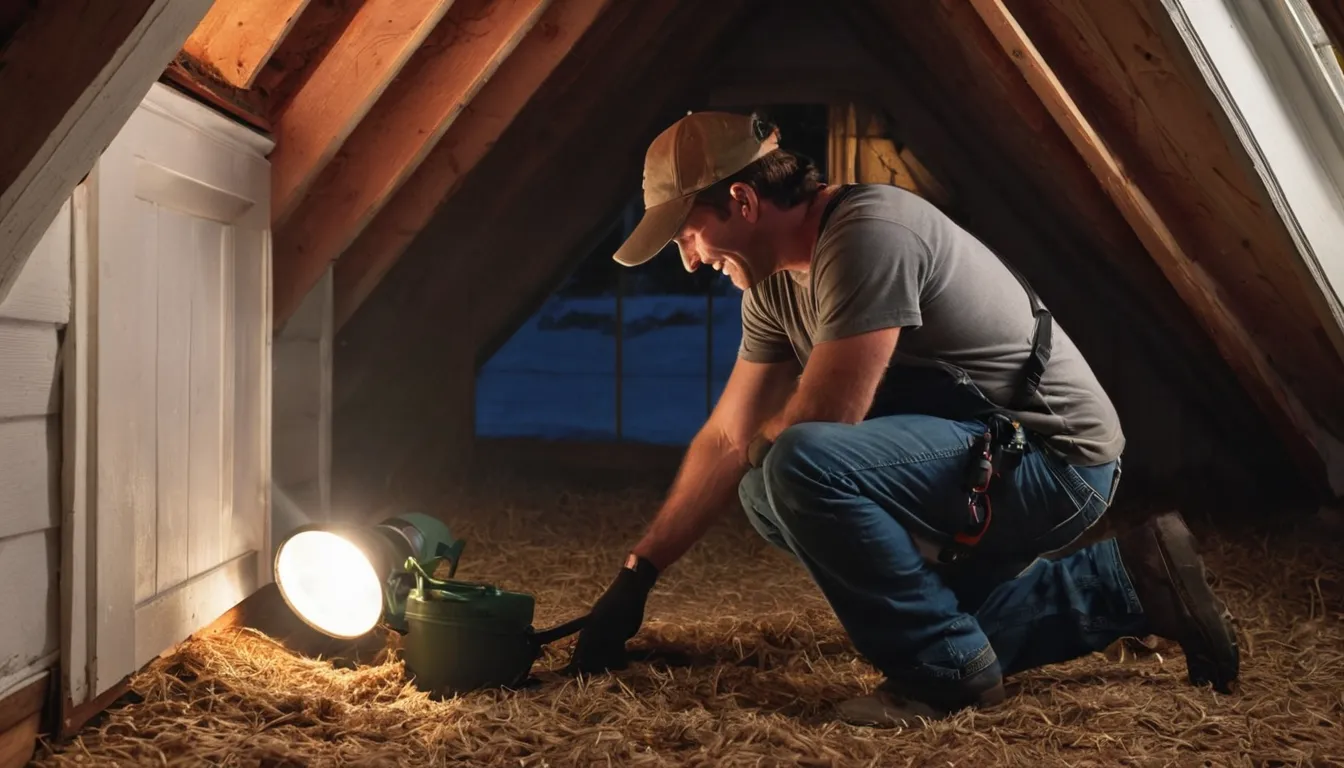
Scratching in the walls. Thumps in the attic. A strange smell in the basement. These sounds can make any home feel less safe. You are not alone, and the problem usually has a clear path to a fix.
Spacecm Pest Control is a referral service. We do not do the work. We connect you with independent providers in our network who handle mice, rats, squirrels, raccoons and more. Each provider sets its own prices and schedule. You can compare estimates and approaches in the Mentor area, ask questions, and decide at your own pace. There is no obligation to hire anyone, so you can learn what is going on before you commit.
Late-night scratching is unnerving. Your mind may jump to the worst case. Take a breath. Most of these problems are common, and providers see them often.
Here is how this works. Spacecm Pest Control is a referral service. Providers in our network do the removal. We simply help you reach a local one.
Mice and rats multiply fast. A few animals can become a crowd in weeks. They chew wires, and chewed wiring is a fire risk. Droppings and urine can spread germs and leave odors.
Larger animals bring other trouble. Squirrels and raccoons tear up insulation and bend vents. In spring and early summer, a nest may hold babies. That makes timing and method matter.
Light scurrying at night often means mice or rats. Quick running across the roof in the morning points to squirrels. Heavy thuds at dusk may be a raccoon. Fluttering or soft squeaks near the roofline can mean bats. Write down what you hear and when. A provider will find that helpful.
Stay calm and keep kids and pets away from the area. Do not block holes yourself. A trapped animal may die in the wall or fight to get out. Do not touch droppings with bare hands. Store food in tight containers and take out the trash.
Every provider has its own method, but most follow the same basic path.
The provider checks the attic, basement, roofline and outside walls. The goal is to find the animal, the nest and every way in.
You should get the plan and price on paper before work begins. Ask what is included and what is not.
The provider uses traps, one-way doors or other tools suited to the animal. Methods differ by species and season.
Removal alone is not enough if the door stays open. Providers close gaps with metal, mesh or other durable materials.
Some providers also clean droppings and replace damaged insulation. Others refer that part out. Ask early.
Rules differ by state and town. Some animals, such as bats, are protected, and there may be seasons when exclusion is not allowed because young are present. Ask each provider how it handles live animals and what local rules apply. A good provider can explain this in plain words.
Colonial and split-level homes often have basements, attic gaps and old vents. Rowhouses share walls, so a problem next door can travel. Aging cast-iron and galvanized pipes can leave gaps where they enter walls. Cold snaps in fall push animals indoors, and storm damage after a nor'easter can open new gaps in roofs and soffits. Humid summers also bring more insects, which draw rodents.
Get more than one estimate if you can. Then compare them side by side. Questions to ask:
Compare, then decide. A fair provider will explain the work and let you think. If someone rushes you, that is worth noting. Your pace, your choice.
If you were bitten or scratched, talk with a doctor. For droppings or nests, ask a provider about safe cleanup. Some policies may cover sudden damage, so check your policy. Providers can often help document damage for a claim.
You do not have to figure this out alone. Request a callback to check provider availability, or send a request and review estimates when you are ready.
A provider looks over the roofline, vents, basement and foundation to find how animals are getting inside.
Methods are matched to the animal and season, with local rules in mind.
Many providers close openings with metal or mesh so animals cannot return.
Some providers clear droppings and replace damaged insulation. Others refer that work.
Prices depend on the animal, how many there are, how hard the home is to reach, and how much repair is needed. These are typical U.S. ranges. Always ask for a written quote.
| Service | Typical range | Notes |
|---|---|---|
| Inspection | $100 – $300 | Some providers apply it to the job if you hire them |
| Mouse removal | $200 – $600 | Often needs repeat visits |
| Rat removal | $300 – $900 | Depends on nest size and access |
| Squirrel or raccoon removal | $300 – $1,000 | Higher if young are present |
| Sealing entry points | $300 – $2,000 | Varies with how many gaps there are |
| Attic cleanup and insulation | $1,000 – $5,000 | Depends on the size of the damage |
Share the sounds, smells or damage you have seen. Short notes about time of day help a lot.
Request a callback to check availability, or send a request for an estimate.
Compare plans, prices and what is included. Ask any question you have.
Hire a provider only if you feel ready. Otherwise, keep comparing at your own pace.
See several estimates side by side so you can pick the approach that feels right.
Spacecm Pest Control is a referral service. Independent providers do all the work and set their own prices.
You can ask questions and take your time. There is no obligation to hire.
Providers in our network know the homes and weather found across the Mentor area.
Seeing pests or hearing noises at home? Request a callback to check provider availability, or send a request and compare estimates with no obligation.
No obligationTiming and sounds help. Light scurrying at night often means mice or rats. Running on the roof in the morning suggests squirrels. Droppings size and gnaw marks also give clues. A provider can confirm after an inspection.
It is better to wait. Sealing too early can trap an animal inside, where it may die or cause more damage. Babies may also be left behind. A provider can check first, then close the gaps the right way.
It varies a lot. Small rodent jobs may cost a few hundred dollars. Larger animals, attic cleanup and repairs can cost much more. Ask for a written quote and compare more than one provider before you decide.
Seeing pests or hearing noises at home? Request a callback to check provider availability, or send a request and compare estimates with no obligation.
No obligation